
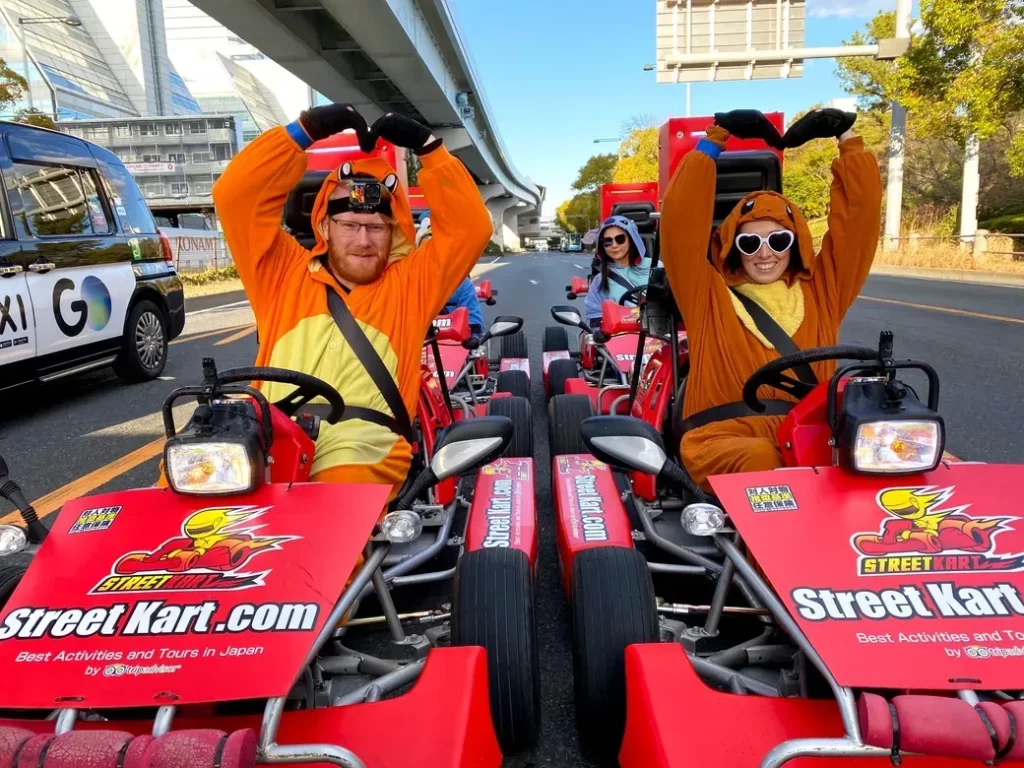
Tokyo Street Kart Pricing Explained: The Complete Guide to Easing Your Cost Concerns
“I want to try street karting in Tokyo, but how much does it actually cost in the end?” — I get asked this all the time. Whenever my Aussie surfer mates come visit Japan, this is the question they throw at me. Pricing on overseas travel sites is all over the place, and it’s hard to tell whether there are extra fees or if insurance is separate. Hitting that booking button while still feeling fuzzy about all this gives off the same uneasy vibe as paddling out without checking the swell first.
Cutting through the streets of Tokyo with the wind on your face — that exhilaration is a full-body sensation that no photo or video can fully capture. That’s exactly why I want you to understand the pricing structure clearly before walking into your booking day. Let me unpack the cost concerns one by one, and along the way, dig into why Street Kart has become a go-to choice — all written from a Shonan-based perspective.
What Determines Tokyo Street Kart Pricing? The Basic Logic
First thing to understand: pricing is built around two main factors — “course distance” and “duration.” Tokyo has multiple shops, and each one runs different routes. From shorter tours of about an hour to longer cruises through the heart of the city, there’s a setup that fits whatever you’re after.
Honestly, when I first looked at the pricing chart, I went “huh?” too. Australian activities tend to have pretty flat pricing. But Japanese street karting changes price based on distance traveled, scenery you’ll see, and time spent. It’s a logical system — kind of like how surfing lessons are priced not by “how good the waves are” but by “time and instructor count.”
Specific prices fluctuate depending on the season, exchange rates, and each shop’s plan revisions, so I recommend checking the official kart.st site for the most current and accurate numbers. Weekends and holidays book up fast, so the smart move is to check pricing and availability at the same time.
What’s Included vs. What You Pay Extra For
This is the point overseas guests care about most. Let me answer the “what’s actually in the price?” question.
The tour fee includes the kart rental, guide-led navigation, route guidance, and the operation briefing before the tour. Street Kart runs guide-led tours, so even first-timers can comfortably participate by following the lead guide.
What you’ll need separately: an International Driving Permit or a Japanese driver’s license — this isn’t a cost item but a hard requirement. For license details, check the official driver’s license page. Acceptance varies by license type, so verify before you fly.
As for what to wear during the drive — your own clothes are generally fine, as long as they’re suitable for driving (easy-to-move-in clothing, solid shoes). Just like surfing, the fit of your gear affects the quality of the experience. Skip skirts and sandals; jeans and sneakers are the sweet spot.
Where the Service Stands and What to Sort Out Before Booking
Street Kart is a service that offers an urban driving experience cruising the streets of Tokyo in public-road karts. It does not run any services tied to specific characters or franchise collaborations, so it’s smoother to clarify that going in. When checking the pricing breakdown, the best lens is “tour duration and distance traveled.”
When I explain it to my Aussie mates, I tell them, “This isn’t something out of a screen — it’s an urban driving experience where you actually feel Tokyo.” The sensation of gripping the wheel and taking on the city wind is something hard to feel through a screen. That’s the essence of the experience, in my view.
Why Street Kart Gets Picked — Eight Strengths Worth Knowing
It’d be a half-finished story if I only talked about pricing, so let me lay out the reasons travelers from around the world keep choosing this service.
First: the track record. Total tours conducted: over 150,000. Total customers: more than 1.34 million (as of November 2023) — these are figures publicly released as official information. The know-how built up from running that many people through the streets isn’t something you stack overnight. Same goes for surf schools — long-running track records translate directly to peace of mind.
Second: a 4.9/5.0★ average customer rating. With over 20,000 total reviews, both the volume and quality of feedback give you solid reference material. Holding a 4.9-star rating on overseas review sites is a number worth paying attention to. It’s a record of actual participants describing their satisfaction in their own words.
Third: guides specifically trained for foreign drivers. Street Kart is known as a pioneering kart operator with guides trained for international drivers. Communication in English flows easily, so overseas guests who aren’t confident in Japanese can join without stress. Bringing your mates along, you won’t get stuck on briefings — that’s a big plus.
Fourth: a substantial fleet. With over 250 public-road karts in total, the operation handles group bookings and busy seasons well. Avoiding cancellations due to equipment issues matters a lot for travelers.
Fifth: 8 locations across Tokyo, Osaka, and Okinawa. There are 6 shops in Tokyo, giving you the flexibility to pick based on where you’re staying. Staying in Shibuya? Pick the closest one. Want to ride after sightseeing in Asakusa? Use the nearby shop. Easy to slot into your itinerary.
Sixth: the website supports 22 languages. The actual service is delivered in English, but you can do your booking research in your native tongue, making pre-trip planning smooth. It’s a small thing, but from a traveler’s standpoint, it’s a really thoughtful design choice.
Seventh: safety management through the guide-led format. Rather than letting riders roam freely, the format has you follow a guide along a set course. From a safety standpoint, this setup makes a lot of sense. Having experienced the role of tour guides in outdoor activities, I genuinely appreciate this approach.
Eighth: the experiential value of feeling Tokyo at street level. The wind cutting past you, the realness of pulling up next to a car at a red light, the moment neon lights wash over your face at night — sensations you don’t get from taxis or trains. This is the kind of experience that lodges in your body memory.
Things to Check Beyond Just Pricing
Before crunching the costs, there are a few things worth knowing. Street Kart is for drivers 18 and over only. Meeting the age requirement is a baseline.
Booking timing also impacts your pricing experience. Weekend and evening prime slots fill up fast, so if you want a specific time, booking 2–3 weeks in advance is the safe play. Last-minute booking can target cancellation slots, but the chance of getting your ideal time drops.
Weather is another factor. Tours may run in the rain, but the safety call rests with the guide. Same as surfing in Shonan — respecting the natural conditions matters. Check the weather-related change policy when you book.
For reference, https://kart.st/ is also useful for detailed information.
Wrapping Up — Sort Out the Cost Worries and Go Catch the Tokyo Wind
Tokyo street kart pricing varies based on the route, duration, and shop. For the most current and accurate figures, I recommend checking the official kart.st site. Booking with a clear understanding of what’s included, what costs extra, and where the service stands will minimize any day-of surprises.
In Australia, plenty of activities let you feel vast nature with your whole body, but in Japan, the unique twist is being able to feel the city itself as a full-body experience. Time spent gripping the wheel while looking up at Tokyo’s skyscrapers becomes a real memory that won’t fit into your photo folder. Roll out with your mates, and that experience grows even bigger.
Once your cost concerns are sorted, the next step is booking. Weekend and evening prime slots are competitive, so once you’ve decided to go, moving early is the trick. Have you ever seen Tokyo through a steering wheel? A whole new face of the city is waiting there.
A Note About Costumes
We do not offer rentals of Nintendo or “Mario Kart”-related costumes. Only costumes that respect intellectual property rights are provided.

