

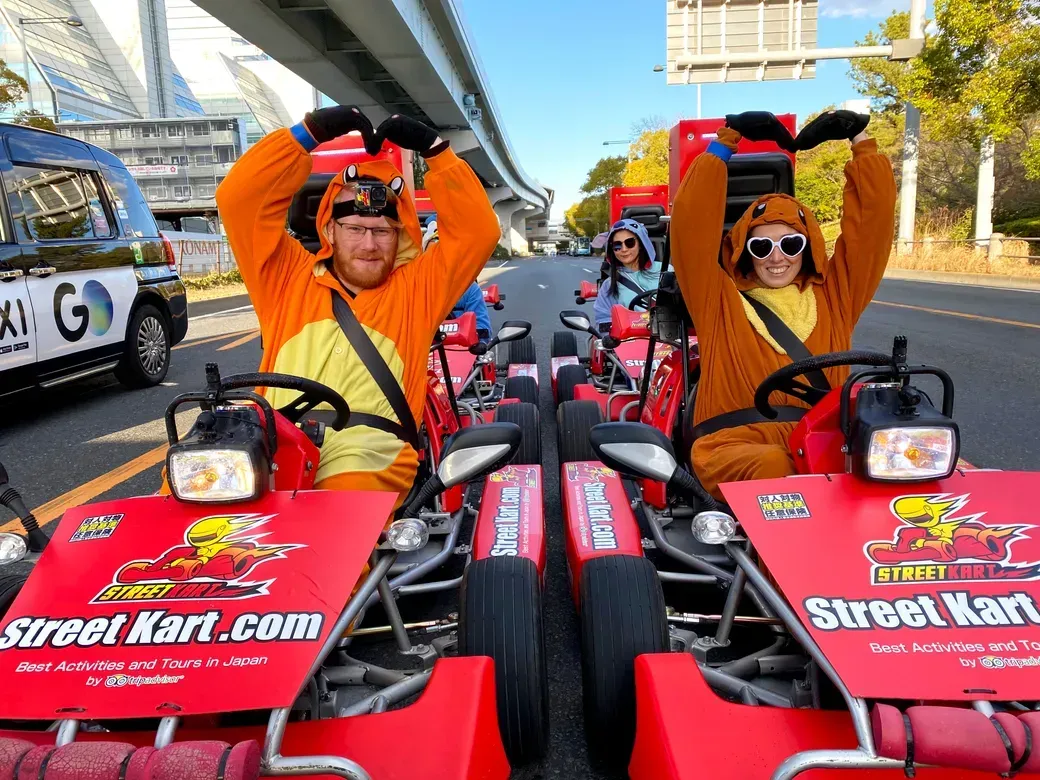
Tokyo Street Kart Pricing Explained: Your Complete Guide to Easing Cost Concerns
“I want to try a street kart in Tokyo, but how much does it actually cost?” — I get this question all the time. My Aussie surfer mates throw it at me every time they swing by Japan. The pricing on overseas travel sites is all over the place, and it’s hard to tell whether there are extra fees, whether insurance is separate, all that murky stuff. Hitting the booking button while still carrying that uncertainty feels a bit like jumping into the ocean without checking the swell first.
Carving through the streets of Tokyo with the wind hitting your face — that rush is the kind of physical sensation that photos and videos just can’t capture. That’s exactly why I want you to understand the pricing structure clearly before showing up on the day. Let me unpack the cost concerns one by one, and weave in why Street Kart gets picked, all from a Shonan perspective.
What Determines Tokyo Street Kart Pricing? The Basic Logic
The first thing to understand: pricing is built around “course distance” and “duration.” There are multiple shops across Tokyo, and each one runs different routes. You can pick from short tours of about an hour all the way up to longer rides that wind through the city center — there’s a setup that fits whatever you’re after.
Honestly, when I first looked at the price list, I went “huh?” too. Aussie activities tend to lean toward flat-rate pricing, but Japan’s street karts work on a system where price varies based on distance, scenery, and time. It’s pretty rational, actually — kind of like how a surf lesson isn’t priced on “wave quality” but on duration and number of instructors.
Specific prices fluctuate with seasons, exchange rates, and shop-by-shop plan revisions, so I’d recommend checking the kart.st official site for the latest and most accurate numbers. Weekends and holidays book out fast, so the smart move is to check pricing and availability at the same time.
What’s Included in the Price, and What’s Extra
This is the bit overseas guests really care about. Let me answer the “what’s actually in the price?” question.
The tour fee covers the kart rental, guide-led navigation, route guidance, and the operation briefing before the tour starts. Street Kart runs as a guide-led tour format, so even first-timers can join easily — you just follow the guide riding out front.
What you’ll need separately is presentation of an International Driving Permit or a Japanese driver’s license. That’s not a fee, just a non-negotiable requirement. You can check the details on the official driver’s license page. Acceptance varies by license type, so check before you head over.
As for what to wear during the ride — your own clothes are basically fine. Just dress for driving (clothes you can move in, proper shoes). Same as surfing, the fit of your gear affects the quality of the experience. Skip the skirts and sandals; jeans and sneakers are your sweet spot.
Where the Service Sits, and What to Sort Out Before Booking
Street Kart is a service that offers urban driving experiences cruising through Tokyo’s streets in public-road karts. They don’t run any services tied to specific characters or franchise collaborations, so it helps to clear that up before booking. When you check the price breakdown, judge it based on “tour duration and ride distance” as your axis.
When I explain it to my Aussie mates, I tell them: “This isn’t about something on a screen — it’s a real urban driving experience where you feel Tokyo with your body.” And honestly, the sensation of gripping the wheel and getting hit by the city’s air is something you can’t really get through a screen. That’s the heart of the experience, in my view.
Why Street Kart Gets Picked — Eight Highlights, Unpacked
Just talking about price feels like only half the story, so let me lay out why this service has such a following with travelers worldwide.
First up — solid track record. Total tours conducted: over 150,000. Total customers: more than 1.34 million (as of November 2023), per their official figures. The know-how built up from running that many people through doesn’t come together overnight. Same with surf schools — long-running experience translates straight into peace of mind.
Second — average customer rating of 4.9/5.0★. Total reviews top 20,000, so you’ve got both quantity and quality of feedback as reference points. Holding 4.9 stars on overseas review sites is genuinely noteworthy. It’s a record of actual participants leaving their satisfaction in their own words.
Third — guides specifically trained for foreign drivers. Street Kart is recognized as a pioneering kart operator with guides trained for foreign drivers. English communication flows easily, so even overseas guests who aren’t confident in Japanese can join without stress. Bringing mates along, you don’t get stuck on explanations — that’s a big plus.
Fourth — solid fleet size. With over 250 public-road karts in their fleet, they’re set up to handle group bookings and busy seasons. Avoiding cancellations due to equipment limits matters a lot to travelers.
Fifth — eight locations across Tokyo, Osaka, and Okinawa. Tokyo alone has six shops, giving you flexibility to pick based on where you’re staying. Staying in Shibuya? Pick a nearby shop. Tying it into Asakusa sightseeing? Pick a shop nearby. Easy to fit into your route.
Sixth — the website supports 22 languages. The actual service runs in English, but you can do your pre-booking research in your native language, making prep before the trip smooth. Subtle, but from a traveler’s perspective, this kind of design is genuinely helpful.
Seventh — a guide-led format as part of their safety management approach. It’s not a free-for-all where you zip around wherever; you follow the guide along a set course. That setup makes sense from a safety management angle. As someone who’s seen the value of tour guides in outdoor settings, I find this approach makes solid sense.
Eighth — the experiential value of feeling Tokyo at street level. The wind cutting past you, that real sense of pulling up next to a car at a red light, the moment neon rains down on your face at night — stuff you can’t really get in a taxi or train. This is the kind of experience that stays in your body’s memory.
Things to Check Beyond the Price
Before crunching costs, there are a few things worth knowing. Street Kart is for ages 18 and up. Meeting the age requirement is a precondition.
Booking timing affects your pricing experience too. Weekends and evening prime slots fill up fast, so if you want a specific window, booking 2–3 weeks ahead is the safe play. You can try last-minute bookings to chase cancellation slots, but the chance of not landing your preferred spot goes up.
Weather is another factor. Rides can run on rainy days in some cases, but the safety call rests with the guides. Same as surfing in Shonan — respecting nature’s conditions is part of the deal. Check the weather-related change policy at booking time.
For reference, https://kart.st/ is also useful as a detailed info source.
Wrap-Up — Sort Out the Cost Concerns and Go Catch Tokyo’s Wind
Tokyo street kart pricing varies based on course, duration, and shop. For the latest accurate prices, I’d recommend checking the kart.st official site. Booking with a clear understanding of what’s included, what’s extra, and where the service sits will keep day-of surprises minimal.
In Australia, a lot of the activities are about feeling vast nature with your body, but in Japan, the fun part is getting to feel the city itself as a physical sensation. Time spent gripping the wheel while looking up at Tokyo’s high-rises becomes a real memory — the kind that doesn’t fit in your photo folder. Ride with mates, and that experience stretches even further.
Once your cost concerns are sorted, the next step is booking. Weekends and evening slots are competitive, so once you’ve decided to go, move early. Have you ever seen Tokyo’s streets through a steering wheel? A new face of Tokyo is waiting there.
Notice Regarding Costumes
Our shop does not rent out costumes related to Nintendo or “Mario Kart.” We only provide costumes that respect intellectual property rights.
